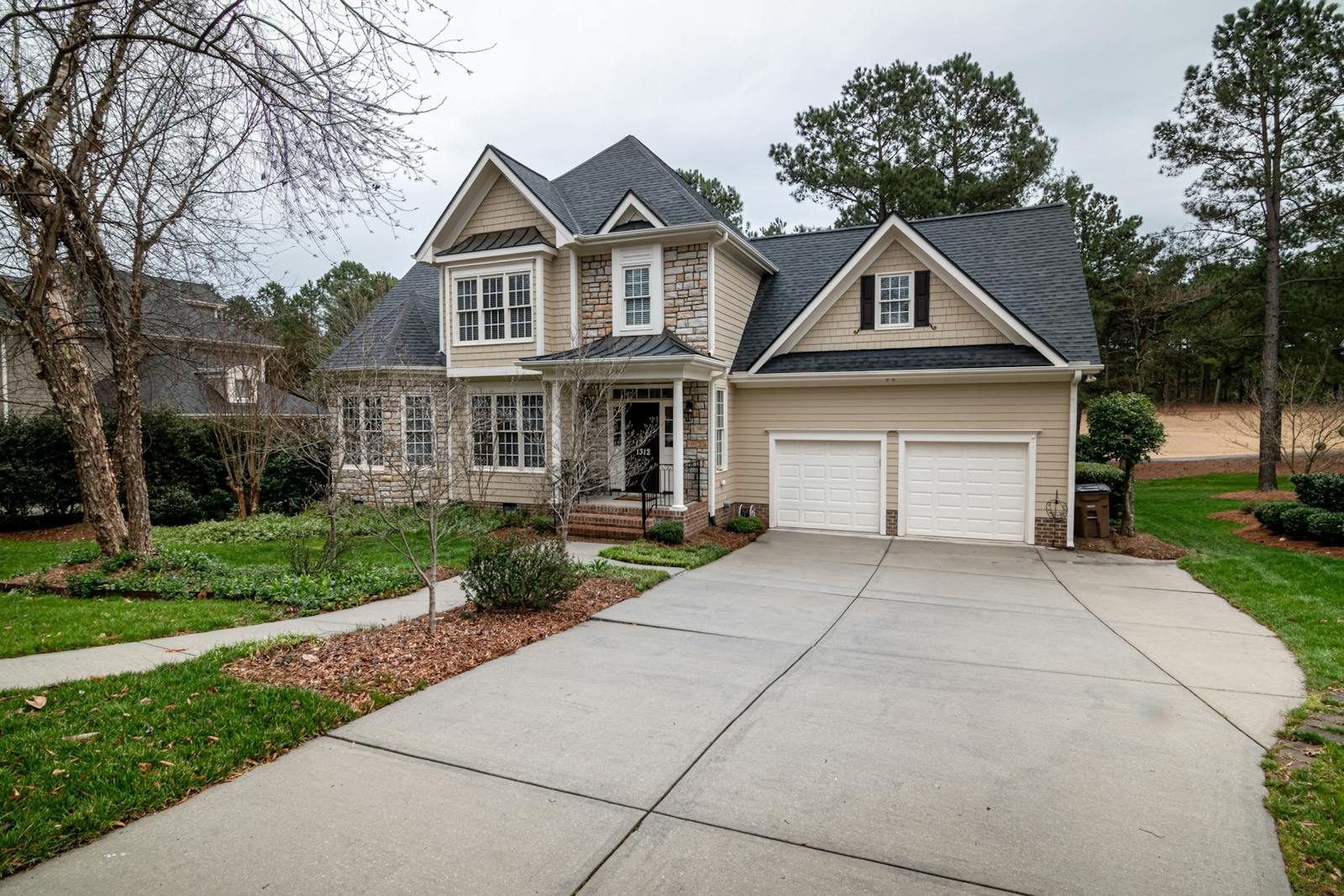
Garage Door Maintenance Before Cold Weather Hits
The first cold morning of the year is when a lot of garage doors start acting up. The door that ran fine all summer suddenly groans, crawls up the track, or stops a foot off the ground and heads back up. Most of the time the cold didn't break anything. It just showed you a part that was already worn.
A little garage door maintenance now, while it's still comfortable to stand in the garage, heads off most of those mornings. Here's what you can check yourself and what to leave to a technician.
Lubricate the Rollers, Hinges and Tracks
Grease and oil thicken as the temperature drops. If the rollers and hinges are already dry or gummed up, the opener has to pull harder on every cycle, and on a cold morning you'll hear it.
We recommend lubricating the rollers, hinges and tracks at least twice a year. Right before the weather turns is a good time for one of those. Use a lubricant made for garage doors, put on a light coat, and wipe off anything that drips. Then run the door up and down a few times so it works into the joints.
Check the Bottom Seal
The rubber seal along the bottom of the door takes more abuse than any other part. After a few years it flattens out, cracks, or tears at the corners. Close the door and look along the floor from the inside. If you can see daylight, cold air and rain are getting in too.
A worn seal also causes a winter problem people don't expect. Rain collects under the door, freezes overnight, and glues the seal to the concrete. The opener pulls, the door doesn't move, and something has to give. If your door is frozen to the floor, don't keep pressing the button. Chip the ice away from the seal or let it thaw first.
Weather-stripping is one of the parts we carry, so a worn seal is an easy thing to add to any service call.
Look at the Springs and Cables, But Don't Touch Them
Stand inside with the door closed and look at the spring mounted above the opening. You're looking for rust or a gap where the coil has separated. Then look at the cables running up each side of the door, especially down near the bottom corners. Frayed strands or a cable that looks loose on one side are both reasons to call.
That's as far as a homeowner should go. Springs and cables hold the full weight of the door under a lot of tension, and the bottom brackets are connected to that tension too. Adjusting any of them without the right tools is how people get hurt. Spring and cable repair is a routine call for us.
Make Sure You Can Open the Door During an Outage
Ice storms knock the power out, and a garage door opener without power is just a very heavy door. Find the red release cord hanging from the opener rail and make sure everyone in the house knows what it does. Pulling it disconnects the door from the opener so you can lift it by hand.
Only pull it with the door closed. If a spring is broken, a door that's released in the open position can come down fast.
If you'd rather not deal with the cord at all, a lot of newer openers carry battery backup that keeps the door running when the power is out. Several of the openers we install have it built in or can add it, including the Marantec Synergy series.
Clear the Tracks and the Floor
Leaves, dirt and the occasional lost toy end up in the tracks over the summer. Wipe the tracks out with a rag and pull out anything that's collected in them. A small rock in the wrong spot is enough to make a roller jump or make the door reverse.
While you're there, move anything stored close to the door. Bikes, trash cans and bags of mulch tend to creep toward the opening, and the safety sensors near the floor will keep stopping the door until they're moved.
Final Thoughts
Most garage door trouble on a cold morning starts as a dry roller, a worn seal or a tired spring that nobody noticed in warm weather. Twenty minutes in the garage now can catch most of it. Anything involving the springs, cables or a door that sits crooked belongs to a technician.
We have been repairing garage doors across Central Arkansas since 1985, and we work on all makes and models. Estimates are free, and you get a written quote before any work begins. If your door is giving you trouble, contact us today or call (501) 834-5188, Monday through Friday, 8:00 AM to 4:30 PM.
Frequently Asked Questions
How often should I lubricate my garage door?
We recommend at least twice a year. Lubricate the rollers, hinges and tracks with a product made for garage doors, and wipe off the excess. Doing it right before cold weather means the door is not working against thick, dried-out grease on the first cold morning.
What should I do if my garage door is frozen to the ground?
Stop pressing the opener button. The opener will keep pulling against the ice, and that strains the motor, the cables and the bottom seal. Chip the ice away from the seal or wait for it to thaw. If it keeps happening, the seal is probably worn and letting water collect under the door.
Why does my garage door open slower when it's cold?
Lubricant thickens in the cold, so dry or dirty rollers and hinges drag more than usual. Try lubricating them first. If the door is still slow or jerky afterward, the springs may be losing tension and the opener is making up the difference. That's worth having checked before it wears out the opener.
Is it safe to pull the emergency release cord?
Yes, with the door closed. Pulling the cord disconnects the door from the opener so you can lift it by hand. Avoid pulling it while the door is open, because a door with a weak or broken spring can drop quickly once it's released.
Do you work on doors and openers you didn't install?
Yes. We repair and service all makes and models, both garage doors and openers.
Do you charge for estimates?
No. Estimates on repairs are free, and you'll get a written quote before we start any work. The price you're quoted is the price you pay.