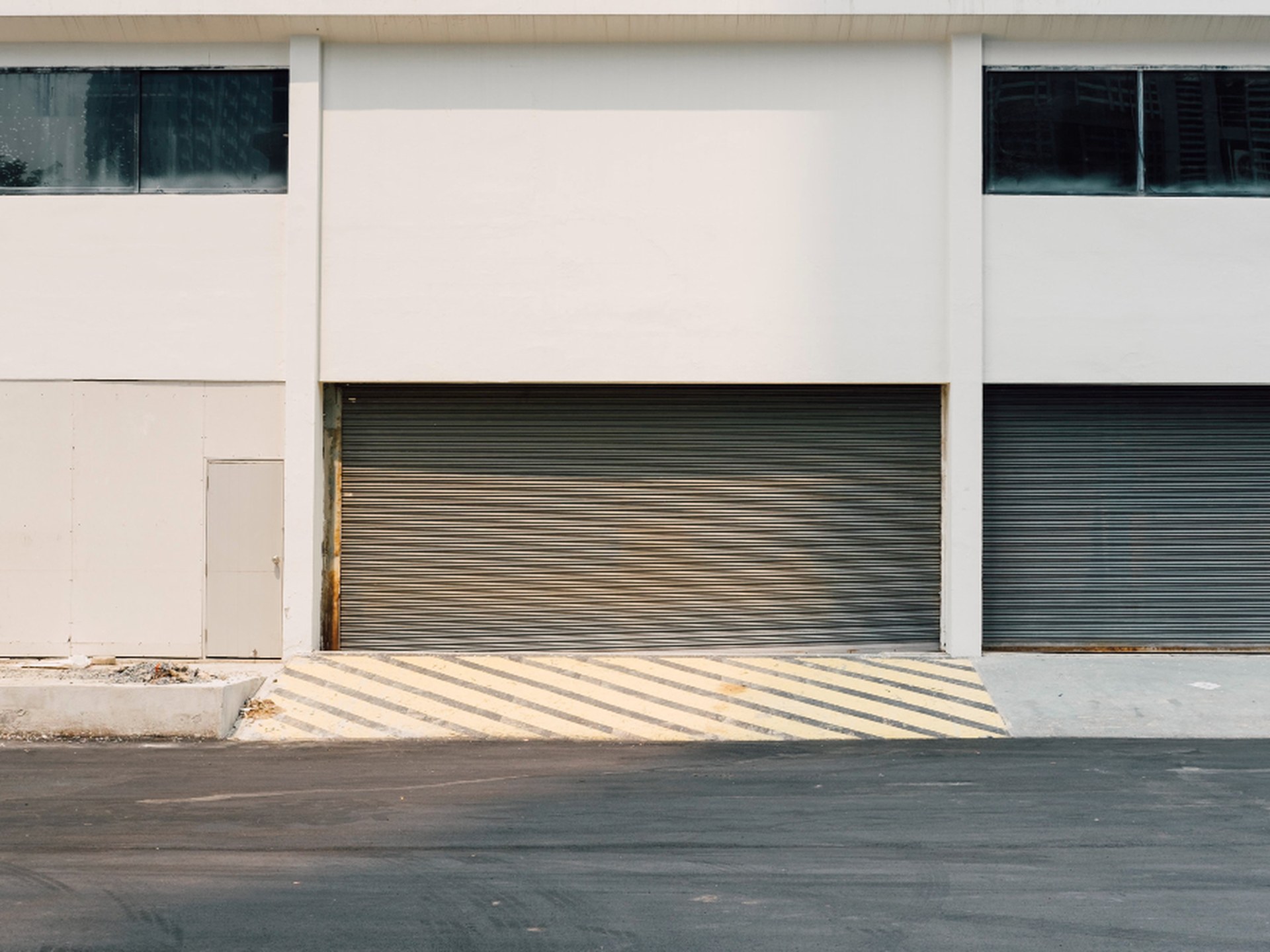
Warning Signs Your Garage Door Needs Professional Repair
Your garage door is the largest and heaviest moving object in your home, and most families open and close it more than a thousand times a year. It is easy to take that for granted until the morning it refuses to move. The good news is that garage doors rarely fail without warning. They tell you something is wrong long before they leave you stranded in the driveway.
Here are the signs worth paying attention to.
Unusual Noises During Operation
A healthy garage door makes a steady, predictable sound. When that changes, the door is telling you something. Grinding usually points to worn rollers or dry bearings. A rattling, shaking sound often means loose hardware somewhere along the tracks. A sharp pop or bang is more serious and can signal a spring under stress or a panel flexing where it should not.
Sound travels differently once metal starts wearing against metal, and the change is gradual enough that homeowners often stop noticing it. If you have to raise your voice over your garage door, it is past due for service.
Catching noise early is the difference between replacing a set of rollers and replacing a bent track and a strained opener.
The Door Moves Slowly, Jerks, or Hesitates
A door that used to glide up in one smooth motion and now stutters halfway is working harder than it should. That hesitation is almost always a balance problem. Springs lose tension over time, and once they do, the opener has to make up the difference.
Debris in the tracks, a bent section of rail, or a roller that has come out of alignment will produce the same symptom. So will an opener whose drive gear is beginning to strip.
Whatever the cause, the outcome is the same if it is ignored. The opener carries a load it was never designed to carry, and a repair that would have been minor becomes a replacement.
The Door Sags or Closes Unevenly
Watch your door close and check whether it meets the ground squarely. If one side touches down before the other, or the door looks visibly crooked in the opening, the lifting cables are no longer sharing the load evenly.
This is not a cosmetic issue. An unbalanced door puts uneven strain on every component in the system, and a cable that is already carrying more than its share is the one most likely to snap.
An uneven door also leaves a gap along one edge, which invites water, pests, and cold air into your garage.
The Door Reverses Before It Reaches the Ground
Every modern garage door has a safety reverse system, and when it starts triggering for no reason, something has drifted out of adjustment. Most often it is the photo eyes near the floor, which only need to be bumped slightly out of alignment to stop reading each other.
It can also be a travel limit setting that no longer matches where the floor actually is, or an obstruction along the bottom seal that the door is correctly refusing to crush.
You can test the safety reverse yourself by laying a roll of paper towels flat in the door's path and closing it. The door should touch the roll and immediately reverse. If it does not, stop using the door and call for service. That system is what protects children and pets.
A Visible Gap in the Torsion Spring
Look at the spring mounted horizontally above your garage door opening. If you see a gap of a couple of inches where the coil has separated, the spring is broken. Your door may still open partway, or it may not move at all.
This is the one repair no homeowner should attempt. A torsion spring holds an enormous amount of stored energy, and the tools and technique required to wind or release one safely are not something to improvise on a Saturday afternoon.
Springs are also usually installed in pairs and wear at the same rate, so when one goes, the other is not far behind. A technician will tell you whether replacing both now is the smarter call.
The Opener Responds Inconsistently
If your remote works from ten feet away but not from the end of the driveway, or the wall button works when the remote does not, the problem is in the opener rather than the door itself. Weak remote batteries, interference from nearby electronics, or a failing receiver board are all common causes.
Age matters here too. An opener that has been running for fifteen or twenty years is likely missing safety and convenience features that are standard now, including battery backup that keeps the door working during an outage and smartphone control that tells you whether you left it open.
Sometimes the fix is a simple part replacement. Sometimes a new opener costs less than chasing repairs on an old one. A technician can tell you which situation you are in before you spend anything.
Daylight Around the Edges
Stand inside your closed garage in the middle of the day and look around the perimeter of the door. If you can see light along the sides or under the bottom, your weather seal has worn through or the door is no longer sitting square in its opening.
Arkansas summers and damp winters are hard on rubber seals, and a compromised seal lets in moisture, leaves, and insects. It is an inexpensive fix on its own, but a gap that appeared suddenly usually means something structural shifted, and that is worth having looked at.
Final Thoughts
A garage door rarely breaks without giving you a warning first. Noise, hesitation, sagging, and inconsistent opener behavior are all early signals, and each one is far cheaper to address now than after it takes the tracks, the panels, or the opener with it.
If your door is showing any of these signs, contact us today or call (501) 834-5188.
Frequently Asked Questions
Why is my garage door suddenly so loud?
Noise usually comes from worn rollers, dry bearings, or hardware that has loosened over years of vibration. Grinding and scraping point to friction along the tracks, while a sharp bang often means a spring or panel under stress. Because the change happens gradually, most homeowners do not notice how loud the door has become until someone points it out.
Can I replace a garage door spring myself?
No. A torsion spring holds an enormous amount of stored energy, and releasing or winding one without the correct tools and technique can cause serious injury. This is the single repair that should always go to a trained technician. Springs are also typically installed in pairs and wear at the same rate, so a professional can advise whether replacing both at once is the better value.
Should I repair my garage door or replace it?
It depends on the age of the door and what is failing. Rollers, cables, springs, seals, and opener parts are all routine replacements on an otherwise sound door. If multiple panels are damaged or the door is decades old and out of balance, replacement often costs less over time than repeated repairs. A free estimate will tell you which situation you are in before you commit to anything.
How often should a garage door be serviced?
Once a year is a good baseline for most households. An annual inspection covers balance, spring tension, cable condition, roller wear, safety reverse function, and lubrication. Doors that cycle several times a day, or homes where the garage is the primary entrance, benefit from being checked more often.
My door reverses before it closes. Is that a malfunction?
Not necessarily. That is the safety reverse system doing its job, and it commonly triggers because the photo eyes near the floor have been bumped out of alignment or something is sitting in the door's path. If the sensors are clean and aligned and the path is clear, the travel limit settings likely need adjustment, which is a quick service call.
How long does a garage door opener last?
Most openers run ten to fifteen years, and many last longer with routine maintenance. Once an opener passes that age, replacement parts get harder to source and the unit is usually missing modern features like battery backup and smartphone control. If an older opener is failing intermittently, it is worth comparing the repair cost against a new installation.